
When someone you care about is grieving a miscarriage, stillbirth, or the death of a baby, choosing a gift can feel impossible. You want to acknowledge her child and care for her without asking her to manage your uncertainty. A meaningful gift does not need to be elaborate. It can make daily life a little easier, honor her baby, or simply remind her that she is not alone.
This guide includes practical care, comforting gifts, and remembrance items. Every mother grieves differently, so follow her language and preferences. If she uses her baby’s name, include it. If you are unsure whether she would welcome a personalized memorial item, ask gently or choose something unpersonalized.
The short answer
The most thoughtful gifts for a grieving mom are gentle, useful, and free of expectations. Consider a handwritten sympathy card, a meal or grocery credit, a soft blanket, a memorial candle, a journal, a mug that honors her motherhood, or a personalized keepsake if you know she would welcome one. Pair the gift with a short message that does not require a reply.
Begin by acknowledging her baby
The gift matters less than the message behind it. A grieving mother does not need you to explain the loss, search for a positive meaning, or promise that another pregnancy will make things better. She needs to know that her baby mattered and that she is not being avoided because others feel uncomfortable.
Tommy’s guidance on supporting someone after miscarriage recommends acknowledging the loss, listening without trying to fix the grief, and offering practical support. If she refers to herself as a mom or mama, you can follow her lead. If she has shared her baby’s name, using it can be a meaningful form of recognition.
A simple message is enough:
I am so sorry for the loss of your baby. I am thinking of you and I am here. You do not need to reply.
10 thoughtful gifts for a grieving mom
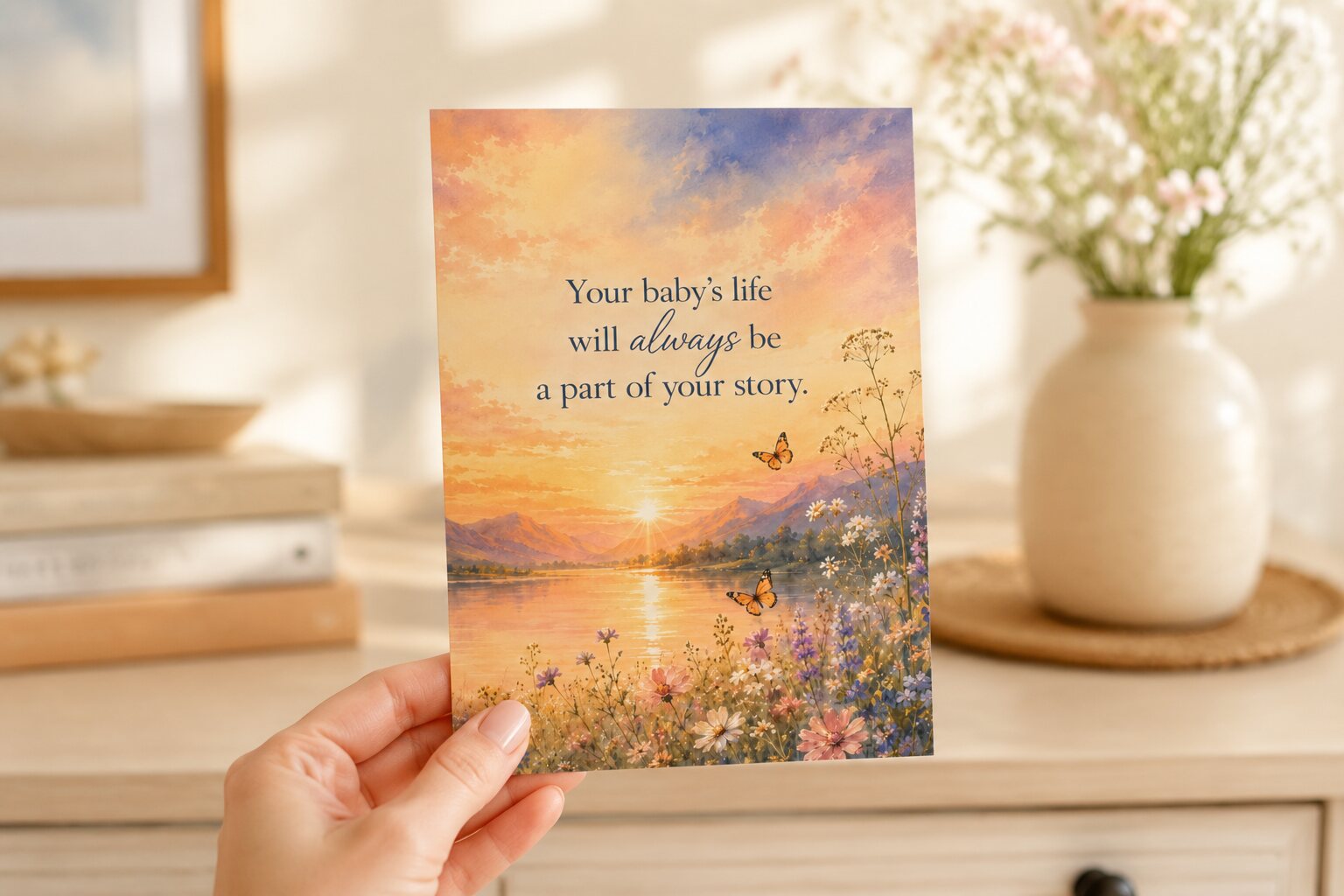
1. A handwritten card that says her baby mattered
A sympathy card gives her something tangible to return to when she is ready. Keep your message sincere and direct. You do not need to find perfect words. Acknowledge the baby, express your care, and remove any expectation that she respond.
If she has shared her baby’s name, you might write, “I am remembering [baby’s name] with you.” If she has not shared a name, do not ask for one simply to complete a card or gift.
See Halo Grove’s pregnancy-loss sympathy card.
2. A meal or grocery gift that removes a task
Food can be one of the most useful gifts because it reduces the number of decisions she has to make. Consider a ready-to-heat meal, grocery delivery, restaurant credit, or a basket of familiar snacks. Check for allergies and preferences first.
Offer a specific plan rather than saying, “Let me know if you need anything.” For example: “I would like to leave dinner at your door on Thursday. There is no need to visit. If another day is easier, just let me know.”
March of Dimes advises friends and family to offer concrete help, such as bringing a meal, shopping for groceries, helping with laundry, or caring for older children.
3. A soft blanket for comfort
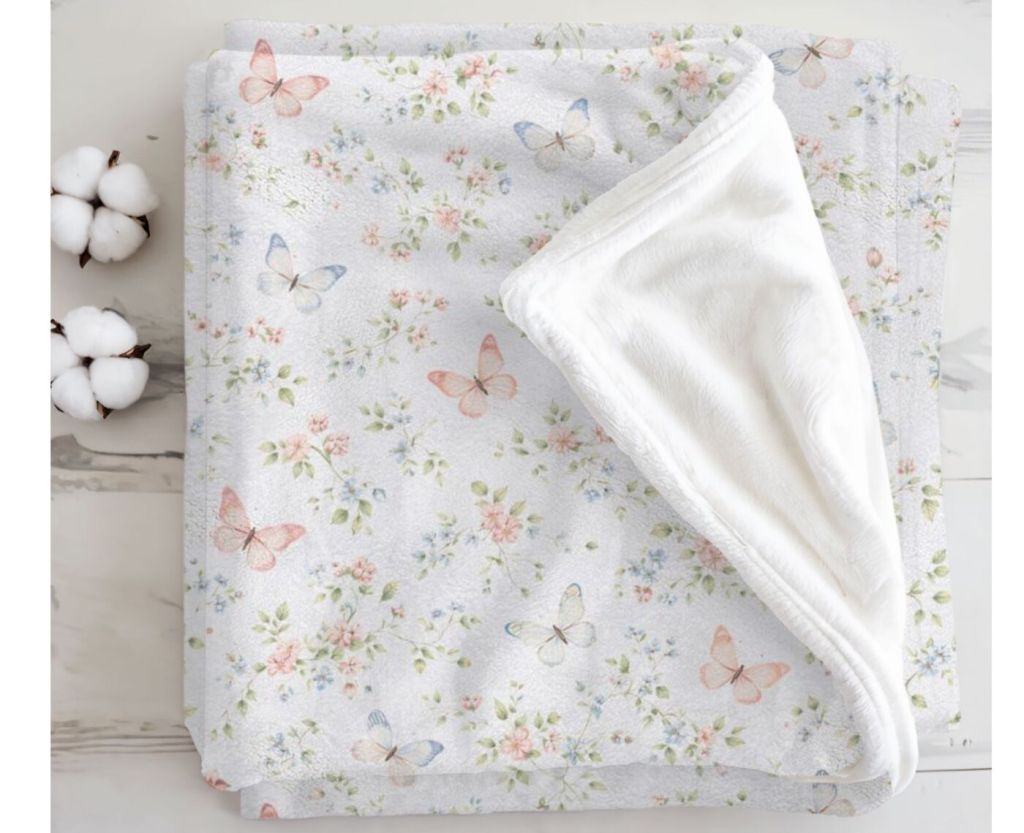
A soft blanket is a gentle choice when you want to offer comfort without asking her to display a memorial item. An unpersonalized design can be especially appropriate when you do not know whether she wants to share her baby’s name or memorial date.
Pink and blue butterflies can quietly represent pregnancy and infant loss awareness without requiring personal details. If she has expressed an interest in a personalized blanket, a name or meaningful date can make the gift more individual.
Browse Halo Grove’s pregnancy and infant loss awareness blankets.
4. A memorial mug that honors her motherhood
A mug can be a comforting everyday keepsake, especially when the design is quiet enough for regular use. A phrase such as “[baby’s name]’s mama” can affirm that her motherhood is not erased by loss. A more subtle symbol, such as a small pair of angel wings, a flower, or a butterfly, may be better if she prefers privacy.
Choose personalization only when you know the wording she uses and how she wants her baby’s name written. If you are unsure, select a nonpersonalized design or ask before ordering.
Browse Halo Grove’s memorial mugs and journals.
5. A candle for quiet remembrance
A memorial candle gives her a private way to pause and remember her baby. She may choose to light it on difficult evenings, the baby’s due date, an anniversary, or October 15 for Pregnancy and Infant Loss Remembrance Day.
Consider whether she prefers scented or unscented products before choosing. A candle with a baby’s name or date can feel deeply personal, but a simple remembrance message is often safer when you are uncertain about personalization.
Browse Halo Grove’s baby-loss memorial candles.
6. A journal or Letters to Heaven book
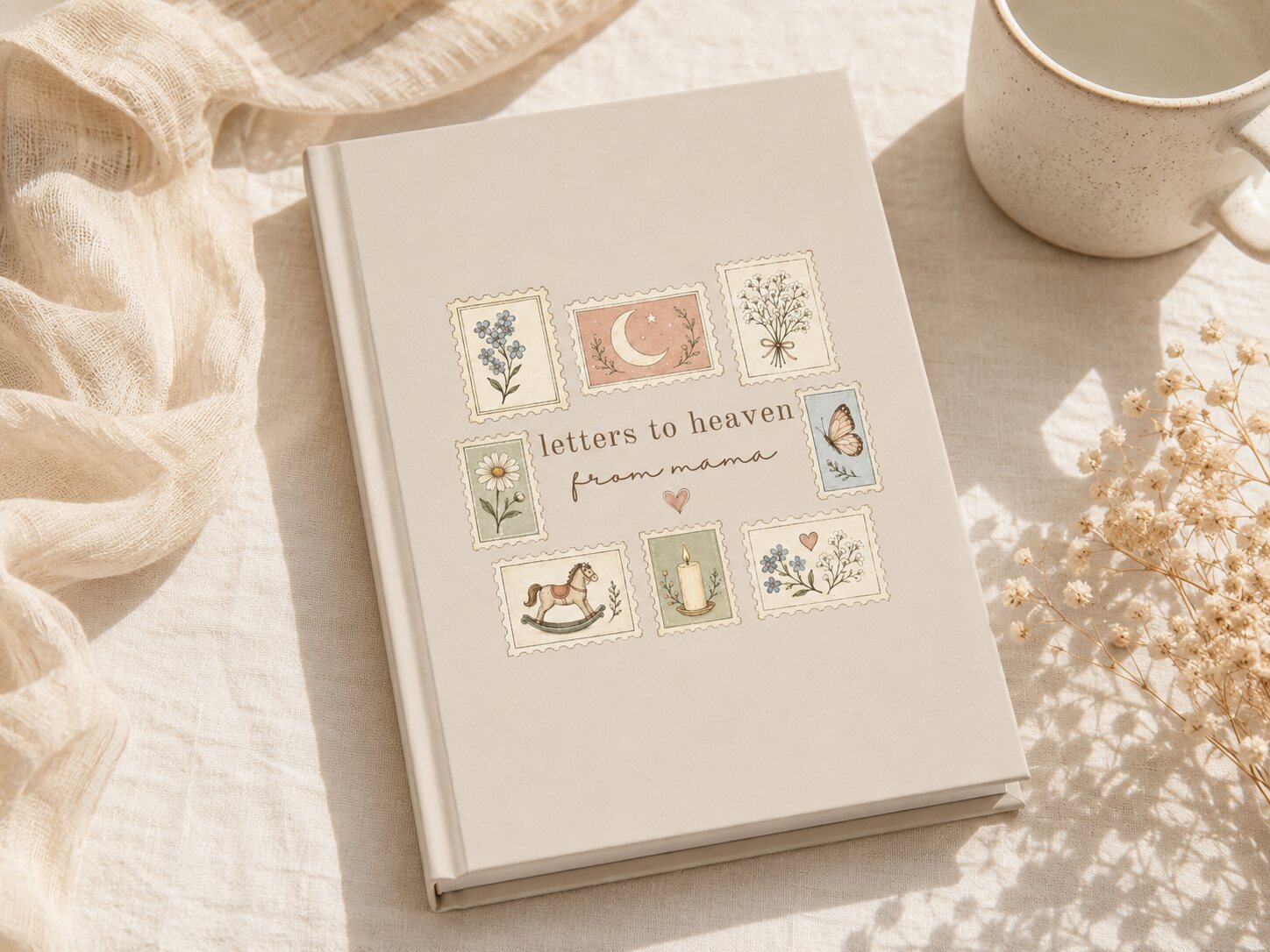
Grief can hold thoughts that are difficult to say aloud. A blank journal gives her a private place to write letters, record memories, or simply put words to a difficult day. It should be offered as an invitation, not as a task she is expected to complete.
A journal can also become a place to keep ultrasound images, cards, appointment notes, or small memories if that feels right to her.
Explore the Letters to Heaven memorial journal.
7. A personalized memorial keepsake
A slate plaque, memorial print, ornament, or small display piece can honor her baby’s name and place in the family. These gifts are most appropriate when she has openly shared the name, dates, symbols, or colors she wants associated with her baby.
Do not guess at spelling, dates, titles, or religious language. Ask a close family member or offer a simple choice: “Would a keepsake with the baby’s name feel comforting, or would you prefer something unpersonalized?”
View Halo Grove’s memorial prints and slate keepsakes.
8. A simple care package
A small care package can offer comfort without becoming overwhelming. Choose familiar, low-effort items such as soft socks, a gentle hand cream, tea or cocoa she already enjoys, tissues, snacks, or a sleep mask. Avoid medical recovery products, strong fragrances, supplements, and herbal remedies unless you know they are appropriate for her.
Keep the package modest. The goal is not to create a cheerful distraction or suggest that she should feel better. It is to make one difficult day a little softer.
9. Practical help that returns after the first week
Support often arrives immediately after a loss and then fades while the grief continues. A cleaning service, pet care, lawn help, laundry pickup, or childcare for older children can be more valuable than a decorative gift. If a paid service would feel intrusive, offer one specific task yourself.
Try: “I can walk the dog on Saturday morning or pick up groceries on Sunday. You can choose either, or say no.”
Make it easy for her to decline. Grief can affect energy, concentration, and the desire for company, so a low-pressure offer is more helpful than an open-ended request.
10. A gesture on a date others may forget
The baby’s due date, the date of the loss, a birthday, Mother’s Day, and holidays may carry particular weight. A card, candle, meal credit, or brief message sent later can show that her baby has not been forgotten.
Ask whether she wants important dates acknowledged. Some mothers find remembrance comforting, while others prefer privacy. Tommy’s notes that people have the right to remember a baby in the way that feels right to them, and that not everyone wants to mark a loss.
What to write with the gift
Your note can be short. Avoid advice and do not ask her to reassure you that you chose the right thing. Any of these messages can work:
- I am so sorry for the loss of your baby. I am thinking of you.
- I am remembering [baby’s name] with you today.
- You are [baby’s name]’s mom, and I will remember them with you.
- I care about you. There is no need to respond.
- I am leaving dinner at your door on Thursday. If another day is easier, let me know.
Use the message that sounds natural in your relationship. Simple and sincere is better than polished but distant.
Gifts and messages to avoid
Even a well-intended gift can create pressure if it does not match her beliefs or preferences. Unless you know she would welcome them, avoid:
- Religious messages or explanations about why the loss happened
- “Rainbow baby” gifts or promises about a future pregnancy
- Items that suggest she should recover within a certain time
- Highly personalized keepsakes when she has not shared the details
- Plants, pets, or projects that require ongoing care
- Messages beginning with “at least,” including references to how early the pregnancy was or whether she can try again
Flowers are not automatically the wrong choice, but consider whether she may receive many arrangements at once or feel burdened by caring for them. A practical gift, a card, or a message sent several weeks later may be more useful.
When should you send the gift?
You can send a gift as soon as you learn about the loss, but there is no deadline. A message now and another small gesture several weeks or months later may feel more supportive than one large gift. Grief does not follow a schedule, and meaningful dates can bring renewed sadness long after others have stopped checking in.
If the loss happened some time ago, it is still appropriate to reach out. You can say, “I have been thinking about you and your baby. I am sorry I did not know what to say sooner.”
Frequently asked questions
Should I use the baby’s name?
If she uses the baby’s name, follow her lead and spell it exactly as she does. If she has not shared a name, do not pressure her. You can still say “your baby” and acknowledge the loss directly.
Does the stage of pregnancy change what I should give?
Do not measure the significance of the loss by the number of weeks. Choose the gift based on her preferences, her physical and emotional needs, and the closeness of your relationship.
Is a personalized gift appropriate?
It can be, especially when she has shared her baby’s name and welcomes memorial items. When you are uncertain, ask gently or choose an unpersonalized gift that does not require private information.
What can I send if I live far away?
A mailed card, restaurant or grocery credit, journal, candle, blanket, or scheduled delivery can all be meaningful. Add a short note and make clear that she does not need to respond.
The most meaningful gift is continued care
No gift can remove a mother’s grief, and it does not need to. The most meaningful choice is one that acknowledges her baby, respects her way of grieving, and asks nothing from her in return. Stay present after the first messages stop. Remember the dates she wants remembered. Say her baby’s name when she does.
For more guidance, read What to Give a Friend After a Miscarriage and What to Give Someone After Pregnancy Loss.
 Halo Grove
Leave a comment